Thank Your Lucky Stars: How Beach House Made Their Sixth Album
Victoria Legrand heard it as the rawer of the band's two 2015 records, cut in the same Louisiana weeks as Depression Cherry but written after it.
Track by track (9 tracks)
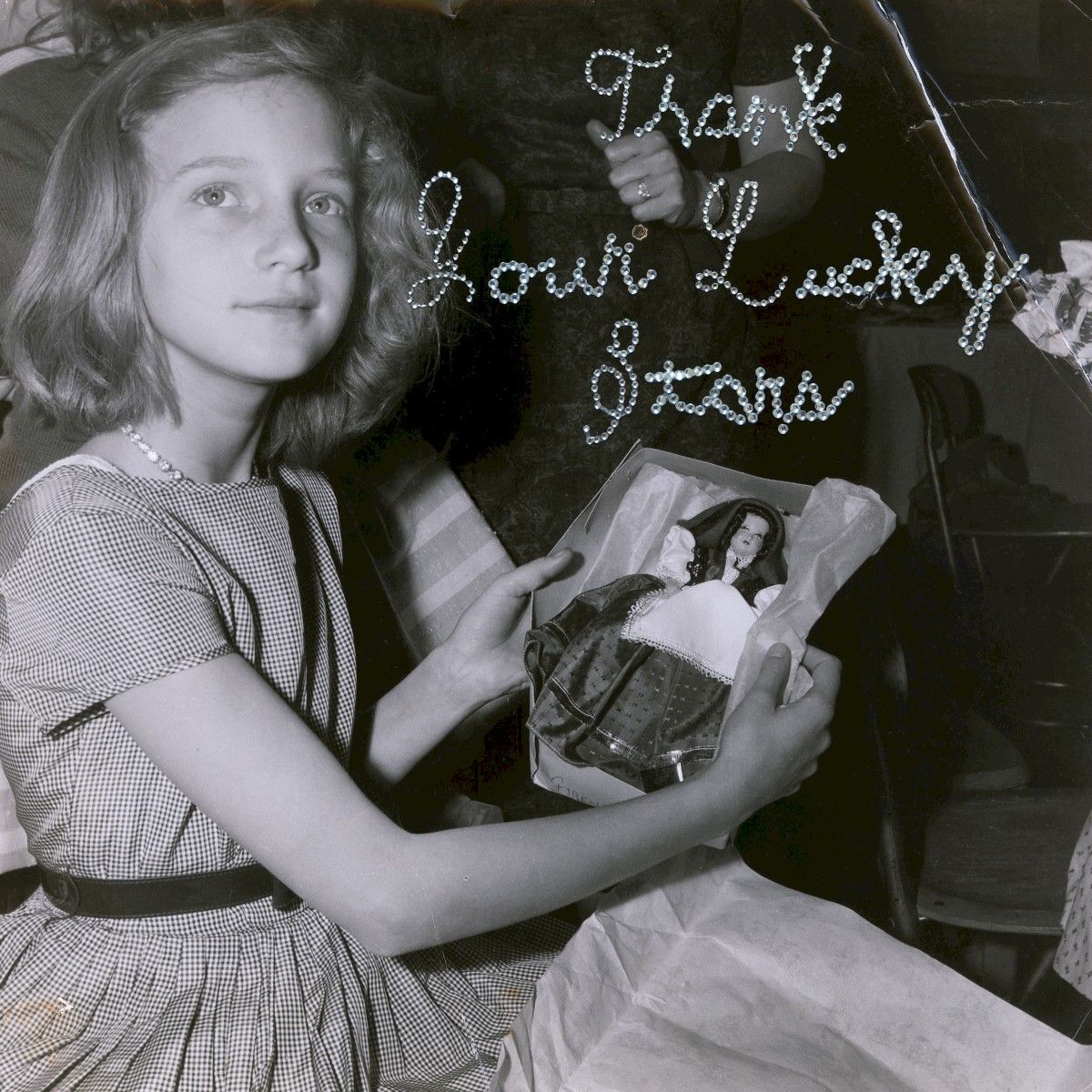
“It’s not a companion to depression cherry or a surprise or b-sides.” Beach House tweeted that on October 7, 2015, when they announced a sixth album, Thank Your Lucky Stars, nine days before it came out and less than six weeks after Depression Cherry. Then they argued with the word surprise. A record didn’t become one, a second tweet said, because the band had skipped six months of advance copies for the press, and fans and critics would simply hear it at the same time.
Victoria Legrand and Alex Scally had the dates on their side, because they wrote the new songs between July and November 2014, once the Depression Cherry songs were finished, and recorded both sets in one run of sessions in Louisiana that winter. On Facebook that same day they called it a very different record.
How the album surfaced
The Depression Cherry lyrics site was forwarding visitors to dcandtyls.com that October, and Stereogum noticed that the words posted there for “One Thing” matched an unreleased song the band had played live in 2014. The story ran on October 7, the day the tweets went out.
Three songs, “Majorette,” “She’s So Lovely,” and “One Thing,” were streaming by October 13, and only through a widget on the band’s site called the Single Finder. A vinyl rip leaked about a week before release, as Philip Cosores reported in a B+ review for Consequence of Sound. Sub Pop released the album in North America and Bella Union in the UK. It peaked at No. 39 on the Billboard 200, a long way under the No. 8 of Depression Cherry.
Two songs in a drawer
Two previously unreleased songs from the Depression Cherry and Thank Your Lucky Stars sessions surfaced on Sub Pop’s B-Sides and Rarities in June 2017, “Chariot” and “Baseball Diamond,” and the band’s notes named no others. Legrand had already told Mike Greenhaus of Relix, in March 2016, that the two albums were truly separate and written one after the other.
“The spirit of Thank Your Lucky Stars told us it didn’t want the same kind of release,” Legrand said in that interview. It wanted something “immediate, punk and innocent.” The plainer version, for Broadsheet in Melbourne, was that the band didn’t want to wait 10 months when they could play those songs on tour as soon as possible. Jayson Greene still had a doubt. He gave the record 8.1 at Pitchfork, found the joy and comfort gone, and wondered whether a second album so soon was “too much of a good thing.”
Bogalusa, and a truck full of organs
Chris Coady called Bogalusa, Louisiana, the most remote place he had ever been in his life. Studio in the Country sits among the town’s pine forests and fields near the Mississippi border, and Mike Powell’s Grantland profile that August counted Stevie Wonder, the Neville Brothers, and Professor Longhair among the musicians who recorded there in the 1970s. Kansas cut “Carry On Wayward Son” in the same rooms. The band and Coady, their producer, put up with sulfur from a nearby paper mill for the gear.
Thrift-store organs arrived by truck during the sessions, which ran from November 2014 to January 2015 and made both albums. They were heavy and temperamental, and they made noise whenever they sat near a microphone. “They were never meant to be in a recording studio,” Coady said.
Coady co-produced with the band for the fourth time, after Teen Dream and Bloom. David Tolomei engineered, with Jay Wesley assisting. Credits show two people trading instruments song by song. Scally plays guitar and bass on every track. Legrand takes bass on “Majorette” and “All Your Yeahs,” where Scally adds keyboards, and guitar on “One Thing” and “Elegy to the Void.” Graham Hill plays drums on seven songs, and Christopher Bear of Grizzly Bear takes the percussion on the other two. With so many songs in play, they recorded as naturally as they could, and Legrand sang each one when she felt ready. Beach House mixed the album with Manuel Calderon at Sonic Ranch in Tornillo, Texas, where they had made Bloom in 2011.
What Legrand says it’s about
Beach House’s note for Sub Pop has the songs coming together very quickly, driven by lyrics and narrative, into a record that often feels political. Legrand drew the line between the two albums sharply for Broadsheet. Depression Cherry was like a giant painting. Thank Your Lucky Stars was somewhat political, but in the day-to-day, and the subjects she named were abuse and alcoholism, mothers and daughters, and how women are to one another.
Legrand heard it as the rawer and more immediate of the pair, and she picked out “Elegy to the Void” and “One Thing” for energies and imagery unlike anything on Depression Cherry. Some of its human issues might seem dark to someone, she allowed, or to someone who just lives in some kind of bubble. Personally, she prefers it when the sun starts to go down.
Legrand wouldn’t boil it down further than that. Albums aren’t like books, she warned Broadsheet, and you can’t just announce the themes, although that’s what everybody always wants to know.
The nine songs
Majorette
The opener has Legrand on bass, Scally on guitar and keyboards, and Hill on drums. Cosores thought it could fit on any Beach House record since Devotion, though he singled out her voice, out of its reverb bath. It was the first of the three Single Finder songs on the track list.
She’s So Lovely
PopMatters gave the album 9/10, and its review heard “She’s So Lovely” as a swaying gothic slow dance of funereal grace. Legrand switches to keyboards over Hill’s drums, with Scally on guitar and bass, and the song was another of the early streams.
All Your Yeahs
Legrand goes back to bass and Scally adds keyboards, the same lineup as on the opener. Cosores described the song opening on a single plucked guitar note, with a drum machine that slowly intensifies underneath, and Hill is credited with drums and percussion on it as well.
One Thing
Stereogum recognized this one. Beach House had played it live in 2014, so the lyrics on dcandtyls.com gave the album away, and on the record Legrand plays guitar for the first time, over Hill’s drums. She later set it apart from everything on Depression Cherry, along with “Elegy to the Void.”
Common Girl
“Common Girl” runs 3:07. Legrand plays keyboards, Scally plays guitar and bass, and Hill drums, the same three-way split as “She’s So Lovely.”
The Traveller
Nothing changes for “The Traveller,” the last song Hill plays before the back of the record changes hands. Bear takes over percussion for the next two tracks, and Hill only returns for the closer.
Elegy to the Void
This one runs 6:29, the first of Bear’s two. Legrand plays guitar beside Scally, who also takes keyboards, and Cosores singled out his streamlined solo. Legrand named it with “One Thing” as the songs whose energies and imagery had no match on the earlier album.
Rough Song
Bear plays percussion again, and this is the only track on which both Legrand and Scally are credited with keyboards. Chris Gerard of PopMatters liked it while granting that it has “the air of a demo recorded with an old Casio keyboard on a four-track in a bedroom.”
Somewhere Tonight
Hill comes back on drums for the 4:13 closer, with Scally on keyboards as well as guitar and bass. Legrand gets no instrument credit on it, the only song on the album where that is true.
What came after
7 arrived in 2018 without Coady, and its notes said B-Sides and Rarities, where “Chariot” and “Baseball Diamond” finally came out, had helped the band clean the creative closet. The same notes called discussions surrounding women’s issues a constant source of inspiration and questioning. Legrand had named that ground two years earlier in Broadsheet, when she counted mothers and daughters and how women are to one another among the subjects of Thank Your Lucky Stars.