Trip-Hop in 12 Albums, 1991 to 1998
Coined in Mixmag for a DJ Shadow single, the word got pinned on Bristol, where nobody wanted it; Blue Lines, made before it existed, starts the 12 in release order.
The records (12 records)
Trip-hop is the big genre of the 1990s whose biggest names all disowned it. Andy Pemberton coined the word in Mixmag in June 1994 for “In/Flux,” a single on James Lavelle’s London label Mo’ Wax. Its maker, DJ Shadow, was 21 and lived in Davis, California. Pemberton’s shorthand was “hip-hop in a floatation tank,” and Mixmag still claims the word as its own.
Bristol got the word second. Bristol had been mixing hip-hop, soul and dub since Smith & Mighty helped set that blend in 1988, and the label was stuck on Massive Attack, Portishead and Tricky after the fact. All three refused it. So the genre is really two family trees sharing a name: Bristol’s records, built around singers and songs, and the producers’ records from Mo’ Wax and its neighbors, where the word was born. The 12 albums below cover both, and knowing which side a record sits on is the fastest way to find the next one you’ll love.
Six critics’ lists published between 2013 and 2023 set the lineup, led by John Twells and Laurent Fintoni’s 50 best trip-hop albums for FACT alongside Treble, Vinyl Me, Please, Electronic Sound, Rolling Stone Italia and Far Out. Every record here appears on at least two of them, and Dummy is on all six. They run in release order. Portishead’s second album and Björk’s Homogenic got one vote each and miss out. Morcheeba’s Big Calm got two and was the last one cut.
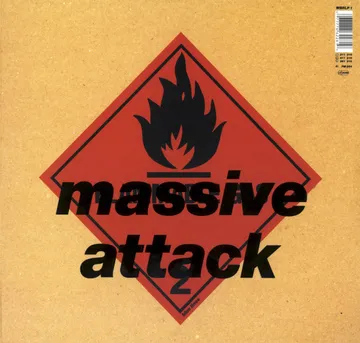
To pay for the orchestra on “Unfinished Sympathy,” recorded at Abbey Road, Mushroom sold his Mitsubishi Shogun. He, 3D and Daddy G had come out of the Wild Bunch, the sound system with a residency at the Dug Out club on Park Row, and Daddy G later summed up what Massive Attack were after: “What we were trying to do was create dance music for the head, rather than the feet.” Part of the album was cut at the Coach House in Bristol, where the tape operator was Geoff Barrow. Blue Lines only reached No. 13 in the UK. Even so, the A.V. Club credits it with setting the template trip-hop artists leaned on, and Pitchfork put it on its list of the decade’s best for changing how the world heard what rap could do.
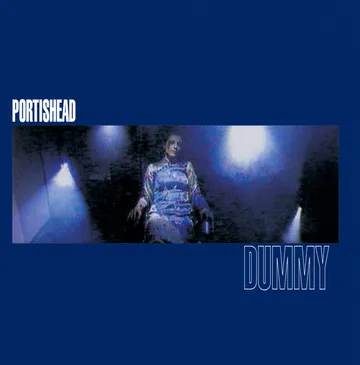
02 · Portishead · 1994 · Go! Beat
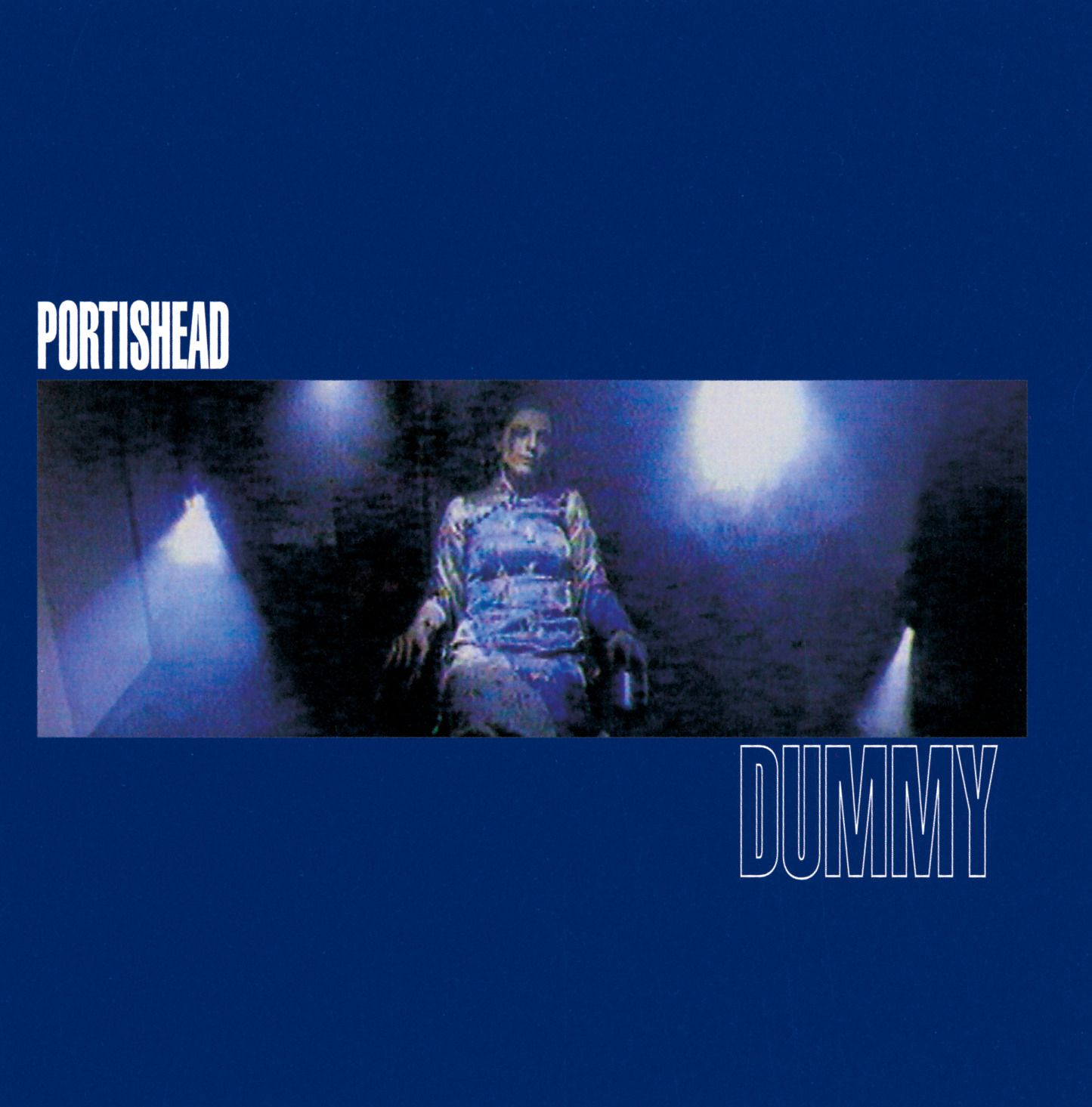
Dummy (Portishead, 1994)
The tape op from the Coach House formed Portishead with the singer Beth Gibbons and the guitarist Adrian Utley. They set up across Bristol at State of Art, a budget studio built around a Studer 24-track. Barrow has explained that they had to make music that sounded as if it came off old records and then sample that. So the band recorded its own sessions, cut them to vinyl and sampled the vinyl. When they did use someone else’s music, on “Glory Box,” it came from an Isaac Hayes record so worn it had a warp in it.
Dummy reached No. 2, logged 111 weeks on the UK chart and won the 1995 Mercury Prize. Far Out calls it the genre’s Dark Side of the Moon. Tom Breihan, on its 20th anniversary at Stereogum, pointed out that plenty of bands tried to copy that sound while Portishead dropped it after one album. Three decades on, Barrow’s view of the word that made them famous hasn’t moved: “When I first heard somebody call us trip-hop, I hated it.”
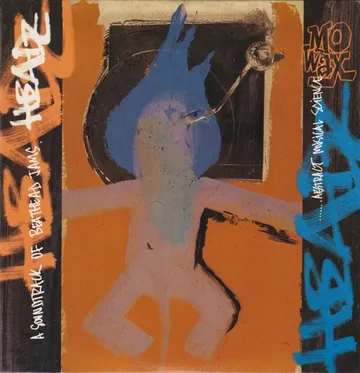
03 · Various Artists (Mo' Wax) · 1994 · Mo’ Wax
Headz (Mo’ Wax, 1994)
Ten weeks after Dummy, Lavelle answered for the other family. Headz gathered DJ Shadow, La Funk Mob, RPM, Nightmares on Wax, Autechre, Howie B and members of Major Force on one compilation, with artwork Lavelle worked on alongside 3D of Massive Attack, a sign of how close the two camps really were. Lavelle has called it the record that put Mo’ Wax on the map and the start of what the world came to know as trip-hop. Then the label took it on the road with almost no money, DJ Krush remembering a seven-city European tour with Lavelle and Shadow spent sleeping in a filthy van. Two volumes of Headz 2 followed in 1996, 53 tracks between them, and FACT actually ranks the sequel higher. Start with the first one anyway. It is Mo’ Wax’s statement of intent, and both Shadow and Nightmares on Wax pass through it on the way to their albums below.
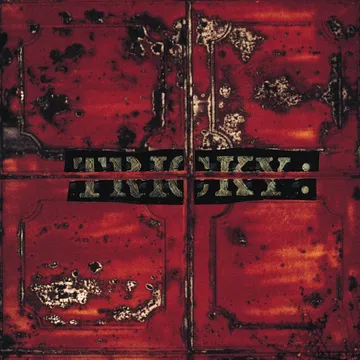
Island Records built a studio inside Tricky’s house in Kilburn, where producer Mark Saunders worked on what he later called the strangest record of his career. Adrian Thaws had worked with Massive Attack and belongs to the Bristol tree, yet he made Maxinquaye in London, building every track, in Saunders’s account, around a scrap of somebody else’s record. Martina Topley-Bird did the singing. Tricky would hand her lyrics he had just scribbled down, and she often went to the mic without having heard the track once, leaving her first take on the record. Years later she named what the music asked of her: “It was post-trauma music and it really needed a post-trauma vocal.”
It reached No. 3 in the UK, NME made it album of the year, and FACT ranks it No. 1 of 50. If one record here has the best claim to the genre, it is this one, which makes it fitting that Tricky has said he hates the term outright. Bandcamp Daily has argued that the alt-R&B of SZA and FKA twigs is hard to picture without it.
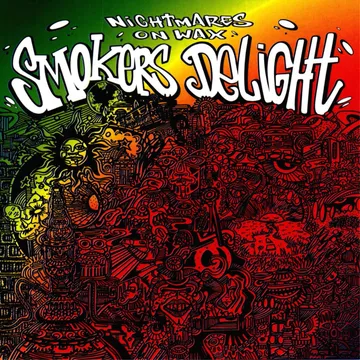
George Evelyn made most of his second Warp album alone, in a flat so cold he worked in two jackets, gloves, a scarf and a dressing gown. His bandmates had left. The KLF’s Chill Out sparked his idea for a hip-hop chill-out record, and he went out to Sheffield or Wakefield only when he needed live players. Clearing one sample took a two-page letter to Quincy Jones.
It spent a single week on the UK chart, at No. 84. Touring changed that within six months as word spread. The live band Evelyn put together for those shows gave him his next idea, sampling his own musicians, which became Carboot Soul in 1999. FACT says few records of the era capture quite so well how many styles the genre could hold at once. Evelyn, more simply, says it changed his life, and he was still touring with much the same band a decade later.
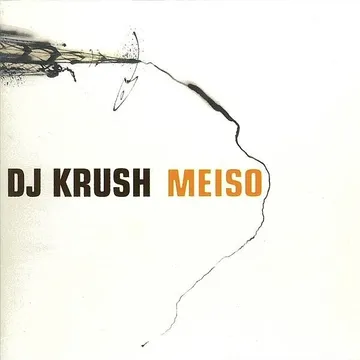
06 · DJ Krush · 1995 · Sony / Mo’ Wax
Meiso (DJ Krush, 1995)
CL Smooth turned up at the New York session with a few friends and no lyrics written. Tokyo DJ Hideaki Ishi split Meiso down the middle between American rappers and the instrumental work he was becoming known for. Black Thought and Malik B. of the Roots guested alongside Guru with Big Shug. DJ Shadow joined on “Duality,” which Rolling Stone’s 1996 report on Mo’ Wax singled out for beats heavy enough to make most jungle sound tame.
Sony owned the masters and Mo’ Wax put it out abroad. FACT called Krush the Far East’s answer to Shadow, and Wax Poetics credits him with opening minds to the very idea of instrumental hip-hop. Meiso is the place on this list where the two family trees nearly touch, with American rappers on one track and none on the next.
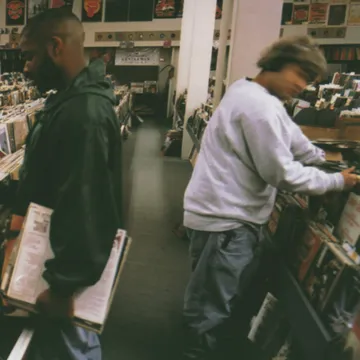
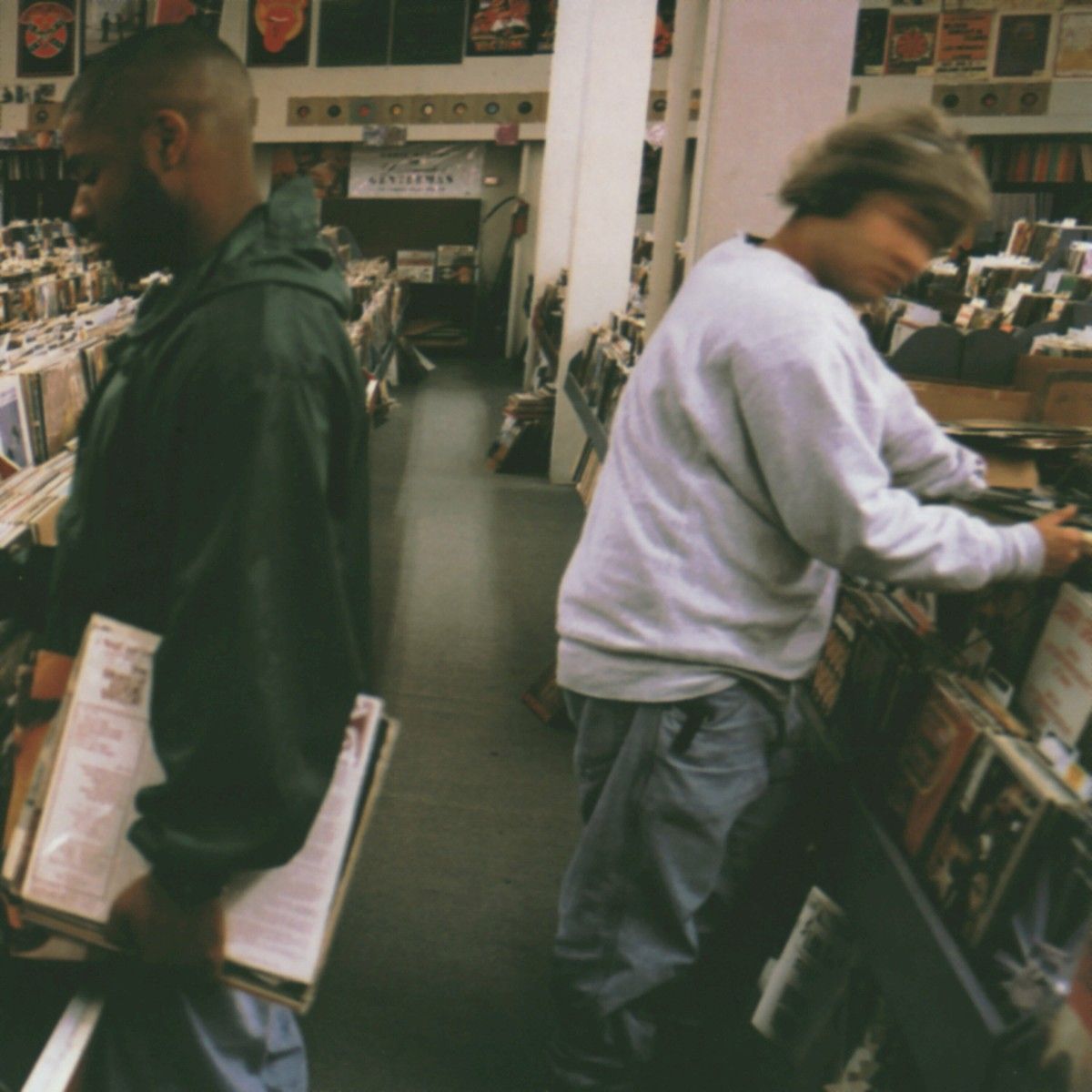
Josh Davis told Salon there were probably a thousand samples on his first album, and that they cleared around ten. He built it on an Akai MPC60 in his apartment and mixed it at Dan the Automator’s studio in San Francisco onto ADAT tape, because, as he put it to Tape Op, that was all they could afford.
Three years after “In/Flux,” the producer Pemberton named the genre around finally made a full statement. FACT calls it the genre’s common language, and Rolling Stone’s 500 greatest albums entry carries Jonny Greenwood’s admission that it shaped OK Computer.
Shadow wanted no part of the name either. Once trip-hop became a term, in his account, he and his peers sneered at it.
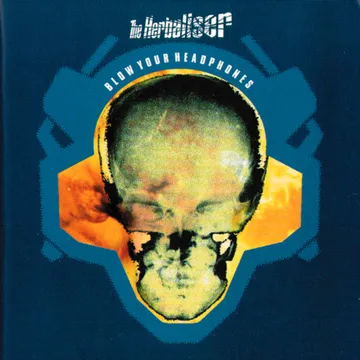
Jake Wherry and Ollie Teeba started out making instrumental hip-hop because they had no rappers to work with, as their Ninja Tune page tells it. Their first two albums came off a modest setup of a Mac Classic II running Cubase, one Akai sampler, an SP12 drum machine and a single effects unit. On the second album they finally found their MC. Blow Your Headphones introduced What What, later known as Jean Grae, to listeners beyond New York’s underground, and the band they took on tour grew into a seven-piece. It made No. 24 on the UK hip-hop and R&B chart. FACT rates the duo as better than many of their peers at joining the genres together, and this is where they did it.
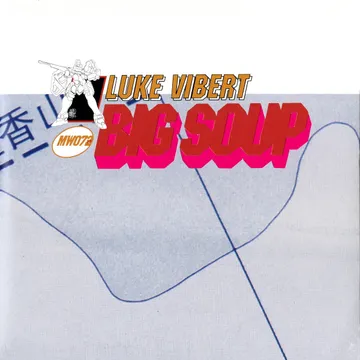
09 · Luke Vibert · 1997 · Mo’ Wax
Big Soup (Luke Vibert, 1997)
Lavelle spent months digging through Luke Vibert’s tracks to pick the ones for Big Soup, and Vibert happily called the result the Mo’ Wax boss’s version of his music. The title was his mother’s name for a dish of leftovers. The Cornish producer had already released records as Wagon Christ and Plug, and this was the first under his own name. Around then his London studio fit into one corner of a flat, with an old Atari, a sampler, a mixing desk, one keyboard and an effects unit.
FACT ranks it No. 5 and says it summed up the whole Mo’ Wax catalog, even though Vibert only ever stood at the edge of the scene. He has since admitted he is shocked, listening back, at how many samples he used. Because Lavelle chose the tracks, it is a picture of what he thought Mo’ Wax was.
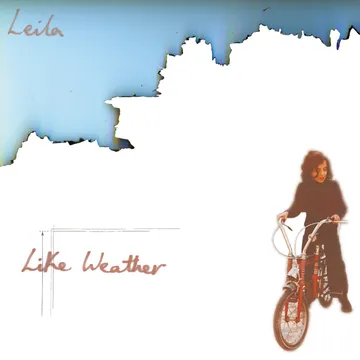
Gilles Peterson and Aphex Twin both offered to release Leila Arab’s debut. She went with Aphex Twin’s tiny label, Rephlex, because the people there were her friends. Born in Iran and raised in London, she had played keyboards on Björk’s Debut tour. She produced Like Weather herself in a small bedroom at her parents’ North London home, bringing in friends Luca Santucci, Donna Paul and Roya Arab on vocals.
Her own line on categories is that she owes her loyalty to noise, not to genre. It reached No. 19 on the UK independent chart in 1998, and the reviews were good enough to land her a deal with XL. FACT ranks it No. 6 and suggests it has more in common with Maxinquaye than anything else on its list. Here the line between the two family trees nearly vanishes, placing a producer’s bedroom record sung by friends right beside Bristol’s best. Bandcamp Daily traces its heirs to Solange, Micachu and Tirzah.
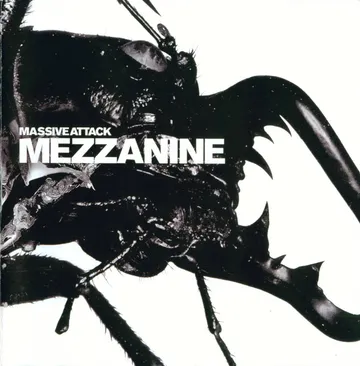
11 · Massive Attack · 1998 · Circa / Virgin
Mezzanine (Massive Attack, 1998)
By their third album, Massive Attack were recording separately. 3D told Mixmag before release that the tracks were made individually because the members thought individually, and the working title was Damaged Goods. In the same interview Mushroom swore off the trip-hop tag entirely. Sessions began at the band’s Christchurch Studios in Bristol and later moved to Cornwall, and Mark “Spike” Stent, who mixed it at Olympic in London, recalled that they were still writing songs while he was mixing them.
It went to No. 1 in the UK. Breihan, back at Stereogum for its 20th anniversary, wrote that while imitators chased their old sound, Massive Attack went the other way and made their masterpiece. Hot Press hears its night-time mood in dubstep, and Burial remixed “Four Walls” in 2011.
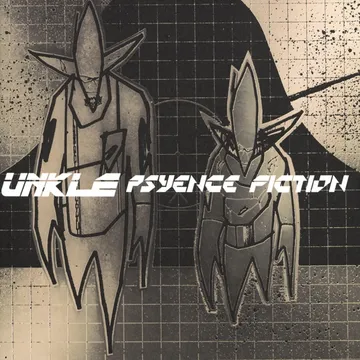
Lavelle’s own band set out to unite the two family trees on purpose. He told NME what he was chasing: “My benchmark record was always (Massive Attack’s) ‘Blue Lines’.” DJ Shadow produced it over three years in London and San Francisco, with a guest list running from Thom Yorke and Richard Ashcroft to Mike D and Kool G Rap. Yorke sang “Rabbit in Your Headlights” at a studio in a forest outside San Francisco, then stayed two days tuning pianos. Lavelle compared the whole three-year project to Apocalypse Now.
It reached No. 4 in the UK and split the critics. NME gave it six out of ten and heard clumsy compromise where it wanted chemistry, and FACT still calls it controversial. It is also on four of the six lists, more than Mezzanine or Endtroducing….., and Stereogum later argued that putting Yorke and Kool G Rap on one album in 1998 was a radical act.
After 1998: coffee tables and second lives
By the end of the decade the name had won and the music had shrunk to fit it. FACT’s list says late-90s trip-hop became limp, stoner-friendly background beats. Breihan put Morcheeba and the Sneaker Pimps in that wave, selling a watered-down, boutique version of early Massive Attack, and Shadow remembers seeing compilations called things like This Is Trip-Hop and finding them embarrassing.
The founders moved on. Portishead came back in 2008 with Third, dropping the old samples and scratching, as PopMatters pointed out. Simon Reynolds told NPR in 2012 that Flying Lotus and Gonjasufi were probably the heirs to the spirit of Massive Attack and Tricky, and a year later Pitchfork introduced FKA twigs as someone making trip-hop for a new time.