Another Day: Roy Harper's Song and This Mortal Coil's Cover
Everyone goes on about "Song to the Siren." The Elizabeth Fraser track Emma Anderson of Lush found mind-blowing is a 1970 Roy Harper love song, sung over violin, viola and cello.
Contents (4 sections)
“I know Song To the Siren is the one people go on about, but Another Day is the one I thought was really mind-blowingly beautiful.” Emma Anderson of Lush said that to The Quietus in 2023, when This Mortal Coil’s It’ll End in Tears made her list of favorite albums. She knew where it was made, and who had made it. Lush cut their first record at Blackwing Studios in London with John Fryer, the engineer who had worked on It’ll End in Tears in the same rooms.
The song she picked was Roy Harper’s before it was anyone else’s. He recorded “Another Day” at Abbey Road for Flat Baroque and Berserk, Harvest put the album out in January 1970, and the song opened side two. Fourteen years later Ivo Watts-Russell, who produced It’ll End in Tears, gave it to Elizabeth Fraser and put it at the top of side two again. He built the album’s covers from bands he had listened to in the 1970s, and Anderson calls him her first portal to them, as he probably was for plenty of other listeners. Big Star’s “Holocaust” came off the same shelf. Harper reached Anderson by way of Watts-Russell, and in 2022 the song reached Lucinda Chua by way of This Mortal Coil.
Thrown into the furnace at Abbey Road
EMI assigned Harper a producer for his first Harvest album, and it gave him Peter Jenner, who had managed Pink Floyd. The two of them shared the production credit. In his notes for the CD reissue Harper calls it the first time anyone paid proper care to how his songs were presented, and he still rates Jenner the best overseer of his work, before or since. Abbey Road was then the most advanced studio in Europe, with a room of technicians on hand to fix things as they went wrong, and Harper told Rob Hughes of Louder in 2025 that he was “thrown into the furnace that is Abbey Road.” Until then he had been swimming in ponds, he told Hughes, and Abbey Road was the ocean. He worked fast once he was in.
The album went to No. 20. It was his first album on the UK chart, and it refuses to sit still. “I Hate the White Man” is a live recording. “Hell’s Angels” has Keith Emerson and the Nice behind him. Much of the rest, Harper writes, works on a gentler level, and that is where “Another Day” sits, under three minutes long, with a couple of jazz chords where jazz is otherwise mostly absent. Hughes, in Louder’s guide to Harper’s albums, named it the record’s other standout and called it pastoral.
“‘Another Day’ is probably one of the best love songs I ever wrote,” he says in the same notes.
His father’s radio had played him Sibelius’s Karelia Suite, the orchestra pulled at him from then on, and he hired strings as soon as he could pay for them. Stormcock ran to four long tracks with orchestral arrangements by David Bedford. “Another Day” stayed short and waited for other singers.
Kate Bush and Peter Gabriel on the BBC, 1979
Three days after Christmas, on December 28, 1979, the BBC aired Kate Bush’s television special with Peter Gabriel as her guest. Gabriel sang his own “Here Comes the Flood” and then stayed on to duet with her on “Another Day,” a Harper album track nine years old by then. Christine Pallon, in a piece for Open Culture, found it an extremely downbeat moment in the show. Bush lip-synced to tracks she had recorded in advance.
By 1980 Bush and Harper were working together. They worked together on “Breathing” and The Unknown Soldier.
Ivo’s 1970s shelf and Blackwing Studios, 1984
This Mortal Coil started as a one-off. In 1983 Fraser and Guthrie, her partner in Cocteau Twins, recorded “Song to the Siren” for the B-side of the project’s debut single, and Guthrie played his part once through. They kept the take. Watts-Russell told The Quietus that the single pass turned his one-off into something more ambitious, and It’ll End in Tears came out on 4AD on October 1, 1984.
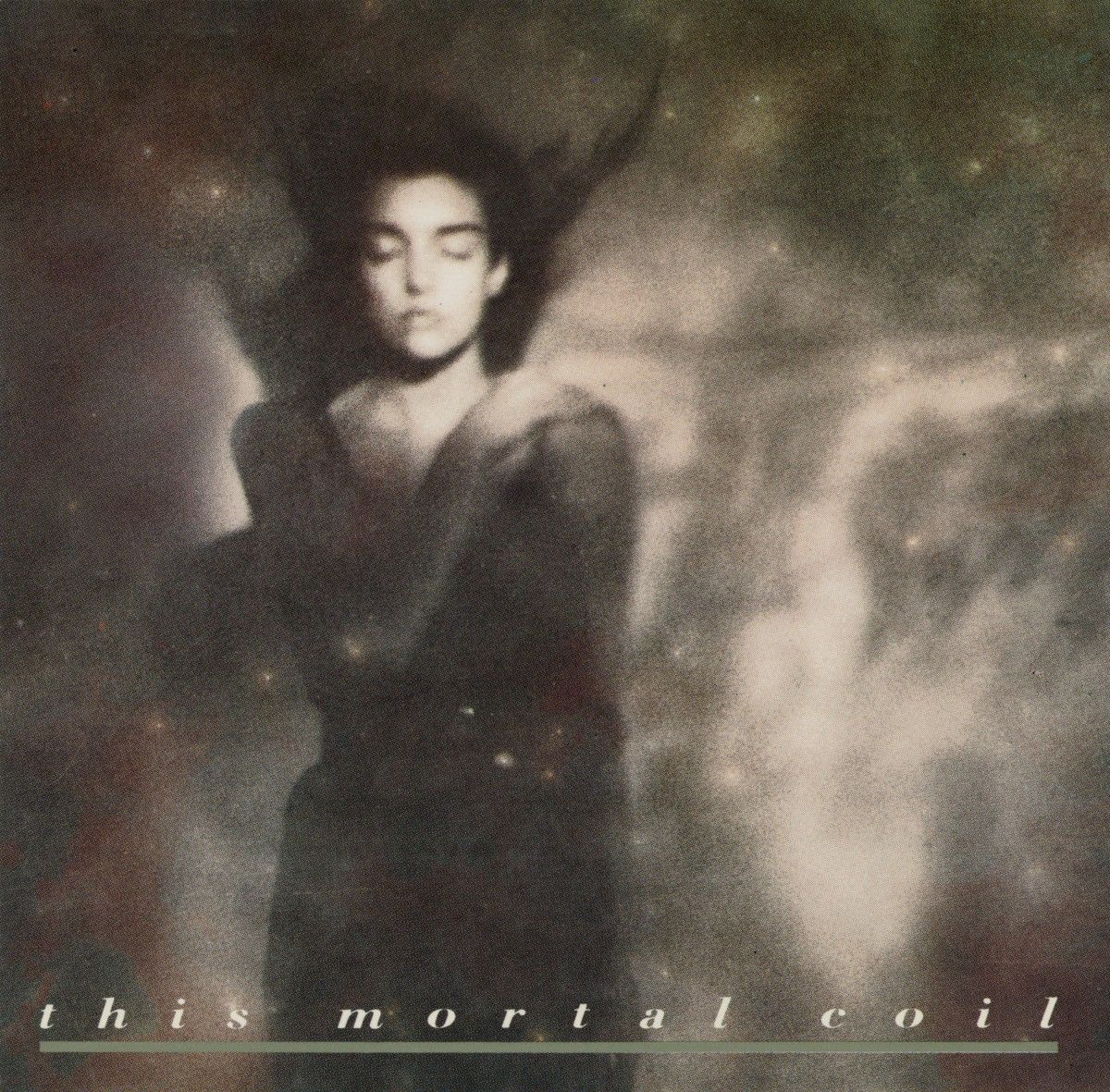
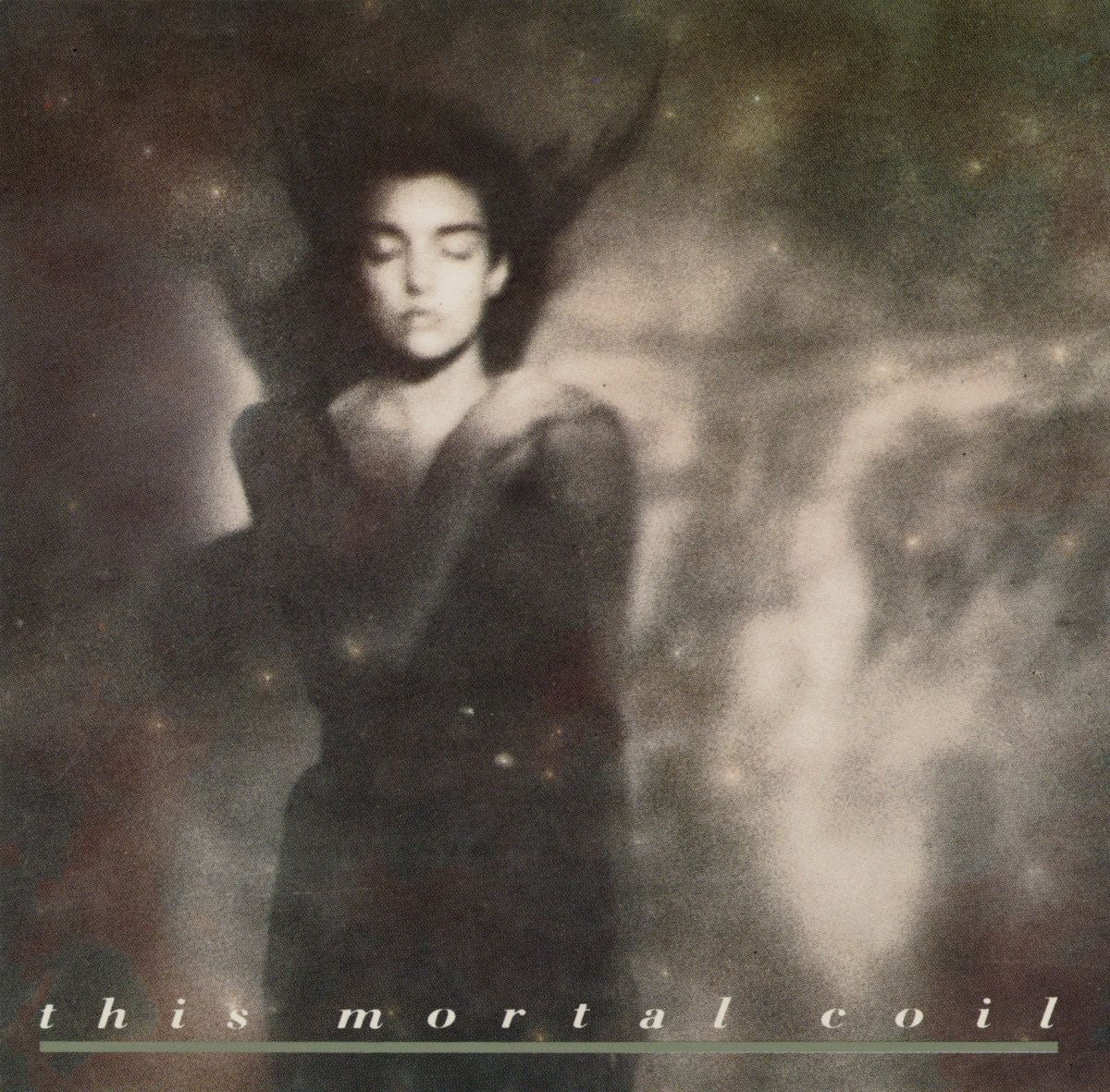
Six of its 12 tracks are covers, and the singer changes from song to song. Howard Devoto of Magazine took Big Star’s “Holocaust.” Robbie Grey sang Colin Newman’s “Not Me.” Lisa Gerrard wrote two pieces of her own. On the front Nigel Grierson and Vaughan Oliver put a sepia portrait of the model Pallas Citroen, whose face then went on every This Mortal Coil sleeve.
Fryer co-produced with Watts-Russell and engineered at Blackwing, in London, and Anderson hears a metallic record of programmed drums and treated guitars and voices. Ned Raggett, reviewing it for Pitchfork in 2011, heard Fryer keep one mood from start to finish, dark ambient grind at one end and a “late-night string-laden recital” at the other. Judy Berman, in a later Pitchfork list, counted the album among the records that helped set the template for dream pop.
Voice and strings, 1984 and 2022
Raggett thought that if It’ll End in Tears had one voice, it belonged to Gordon Sharp of Cindytalk. Fraser sings on two tracks out of 12. “Song to the Siren” is second on side one, and “Another Day” opens side two, with Gini Ball on violin and viola and Martin McCarrick on cello. Nobody is credited on guitar. At 2:54 it runs three seconds shorter than Harper’s. In 1984 her Cocteau Twins lyrics were leaving plain English behind during the Treasure sessions, and at Blackwing she sang another writer’s love song, plain English all the way through.
“Song to the Siren” has the better story, and it deserves the attention, because Guthrie’s one take turned the one-off into something more ambitious. It’s the track people reach for first, the one Anderson had to set aside before she could praise anything else.
“Another Day” has no story like it. Watts-Russell pulled a Harvest album track off his shelf, handed it to the singer of Cocteau Twins on a record of programmed drums, and left her with two string players. It was an odd call for 1984, a 14-year-old love song set on the far side of the record from its most famous track, where it was easy to miss. In 2022 that was the version Lucinda Chua answered. Her “Another Day” came out on May 10, her first music since the Antidotes II EP, on Pleasures and Treasures, a set of 4AD rarities made with Tower Records Japan, and Northern Transmissions reported that This Mortal Coil’s recording inspired it. She kept it to strings and a hushed vocal, the setting Fraser, Ball and McCarrick had given Harper’s song at Blackwing.