Portishead's Third: What the 2008 Album Means and How It Was Made
Portishead came back after more than a decade with a record about people who can't get through to each other, and held it together with a cassette, a junk-shop guitar and a three-year wait for one song's chords.
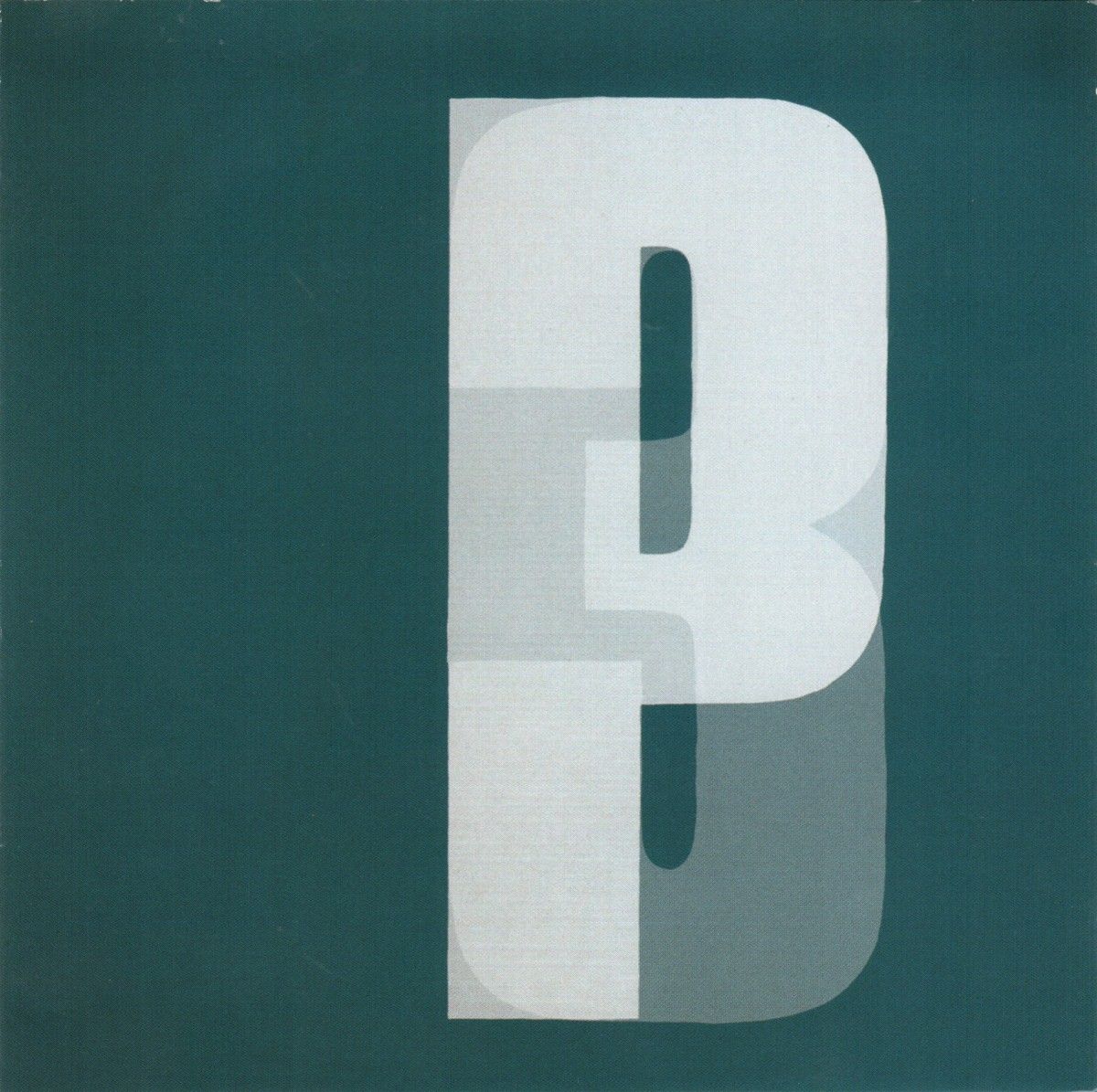
Track by track (11 tracks)
Third is a record about people who can’t get through to each other, made by three musicians who spent most of a decade unable to get through a song. Beth Gibbons wrote the words and doesn’t do interviews, so the plainest summary came from Geoff Barrow in The Guardian. “It’s mainly about the inability of humans to communicate.” Adrian Utley, on NPR, heard Gibbons asking questions and showing her frustration with modern society more than sounding fragile.
Portishead came back in April 2008, more than 10 years after their second album, and Barrow’s aim was to sound like themselves without repeating themselves. So the instruments of the trip-hop records went unused. Every sound had to be found again, and the work went slowly, because the three of them discussed every detail.
Why it took more than 10 years
Barrow stopped making music for about three years after the 1998 world tour. “I couldn’t find anything I liked musically in anybody, in anything,” he said a decade later. He had worked without a break since he was 19, his marriage ended, and he moved to Australia. Utley flew out to write with him. Nothing came of it. Gibbons made Out of Season (2002) with former Talk Talk bassist Paul Webb, billed as Rustin Man, and Utley played on that.
In 2003 Barrow put together the backing for “Magic Doors” on tour and Gibbons brought a song of her own to lay over it. For the first time in years they had something he thought was okay. He called it an opening. What followed were swings between hating everything they touched and liking all of it. Barrow and Utley produced The Coral’s The Invisible Invasion, and Barrow found the job amazing and frustrating. That band could write a soundtrack in an afternoon while the two of them were scared to play a note.
By 2006 they had six or seven tunes, enough to play to Island managing director Nick Gatfield and promise him nine finished songs in two months. A year later they had six.
Barrow got his appetite back through Invada, the Bristol label he started with a friend known as Fat Paul. He put the actual writing of Third down to a spurt at the end of 2007. When Portishead curated All Tomorrow’s Parties’ Nightmare Before Christmas weekend in Minehead that December, they had the whole album.
Three studios in Bristol, and a spring in a drainpipe
“Magic Doors” sat for three years before they mastered it onto a cassette and back again, a trick Utley called audio glue. Each member had a studio in Bristol, and the songs moved between them as files. Gibbons worked at home around a vintage Trident desk, and Barrow co-owned State of Art, where much of Dummy and nearly all of the second album had been made. Utley worked out of a five-story Georgian townhouse whose attic became the room for Barrow’s drums.
Utley’s studio held a Minimoog signed by Bob Moog, an ARP 2600, a Korg MS20 and a Siel Orchestra, plus an EMS VCS3 that came from the former EMS owner Ed Williams. Gibbons sang into a Rode NTK valve mic, which won a test against a Neumann U47, an AKG C414 and her own Soundelux. The studio’s spring reverb, Sound on Sound reported, was a Great British Spring housed in a drainpipe.
“We’re always looking for limited frequency in instruments, something with a fog around it that glues it into a track so it doesn’t stand out,” Utley said, and he wanted the playing limited too. Barrow sometimes played bass, and Gibbons took the electric guitar on “Threads,” a song whose bass line waited about three years for the chords that went over it. Utley said there wasn’t a single area of the work the three of them didn’t discuss hugely.
What Third is about
Dummy had become a fixture of fondue dinner parties, and before Third came out Barrow warned on his blog that the fondue society wouldn’t be happy. To Barrow, all Portishead had ever sung about was the ridiculousness of human behavior and conditioning, and the plain pressure of trying to live a life.
He traced the new record’s darker feel to its structure, songs stripped down that still went wide, but he wasn’t happy with the word. Frustration, he thought, was closer.
The album’s title just counts. Its first voice, though, belongs to a man reading a manifesto about the number three, and its last song shares a name with Threads, the 1980s nuclear-war drama on Barrow’s list of formative influences from the days he calls Apocalyptic Geoff.
After Third
“Everything’s a nice surprise, but it doesn’t fill us with joy,” Barrow said in Paris, after Third had gone to No. 2 on the UK Official Charts and No. 7 in the US. The band stayed off the summer festival circuit. Within a year Barrow had formed Beak> in Bristol with Billy Fuller and Matt Williams, who records as Team Brick, and the three of them wrote and cut its debut live in one room in 12 days with no overdubs. Gibbons took the long road again. Lives Outgrown, her first solo album of original music, came out on Domino in 2024 after about a decade of work.
The songs
Silence
Gibbons started “Silence” with an arpeggiated piano part in bars of six, four, and two. The spoken opening began as a sample Barrow had of someone introducing a band in Portuguese. After he came across the Wiccan idea that if you do three good things, three good things will come back to you, the band wrote a short manifesto of their own to take its place. Nate Patrin of Pitchfork called the song chase-scene-paced. Its echoes run out of time, and it stops dead on an ending Barrow suggested, which reminded Utley of tapes by the jazz drummer Tommy Chase.
Hunter
“Hunter” was one of the old ones, with a bell tree, oboe, and strings influenced by a mid-1960s psych-folk record the band liked. Utley counted it among the more traditional Portishead tracks. Gibbons’s Farfisa plays the organ break, and the fuzz-box guitar bend just popped out one day.
Nylon Smile
The band spent at least six months trying to make “Nylon Smile” work. Utley had written the guitar part on Dartmoor almost 10 years earlier and Gibbons had written a song over it, but nothing sounded like them until she and Barrow sat down and cut parts out. Barrow then played the beat on the back of an acoustic guitar. “So it’s a live groove from start to finish.”
The Rip
“The Rip” starts from a four-quid acoustic out of a junk shop that needed another 25 quid of work. The arpeggios beat the analog sequencer, so Barrow borrowed Utley’s Siel and played them by hand. Bassoon and the MS20 come in to carry it out.
Plastic
The chorus started a big argument. “Beth felt like it should sort of fall off a cliff,” Utley said, and it ended on a hard-struck acoustic guitar over a single held chord, played the way one of Morricone’s guitarists would. The chords came from Gibbons, probably on piano, and Utley’s ARP 2600 adds a helicopter he likened to Apocalypse Now.
We Carry On
Utley traced the song to Silver Apples and their oscillators, and he knew the slightest movement of the filter would tip it into terrible house music. The first version was lost. The rebuilt one became a turning point for the band, and after it Utley felt they couldn’t go back to their old world.
Deep Water
Steve Martin’s ukulele in The Jerk gave Barrow the idea. Utley thought he had to be joking. He worked up a ukulele part anyway and objected when Barrow wanted to add backing vocals. Then the two swapped sides, Utley coming round just as Barrow went the other way.
Machine Gun
Portishead’s first single in 10 years samples an Orla Tiffany 4, which Utley called a terrible old organ, and Gibbons wrote a hymn-like song that contrasts with the brutal beats. The Siel Orchestra plays the coda in what Utley heard as a John Carpenter kind of synth. Live, the band triggered the flanged section as a sample.
Small
“Small” runs in three or four sections. Gibbons and an acoustic guitar open it, and then Utley’s ARP, with extra filters and a joystick on the harmonics, comes in like a bowed cello. The song drops into the rhythmic drum-and-bass groove that had been its original part, with Barrow’s organ and Utley’s psychedelic guitar on top, before it falls back to Gibbons.
Magic Doors
Barrow made the backing track on tour, and Gibbons brought another song to sit on top of it. Stu Barker added hurdy-gurdy. Will Gregory of Goldfrapp played baritone sax from another room, out of the band’s sight, so he would feel less inhibited.
Threads
Gibbons played the guitar line on “Threads” straight into the computer and chopped it up in Logic, and Clive Deamer and Jim Barr of the touring band play on this track only. The end is hers. She cut loose and hammered it, which Utley said she had never really done before, while Barrow shouted from the next room beside Utley’s clavioline. Then the guitar takes over, whammy bar and fuzz box in a massive Altiverb space, with some EMS VCS3 underneath like Hawkwind, and Utley called the whole thing a Viking horn of doom.