Wake Up and Smell the Coffee: The Cranberries Come Back Happy
A mixing problem brought Stephen Street back to the Cranberries, and the band he found was married, raising children and enjoying itself again, on the last album the four made together for over a decade.
Track by track (13 tracks)
Near the end of Bury the Hatchet the man mixing it ran into problems, and the Cranberries suggested getting Steve in. Stephen Street had produced their first two albums. They had gone their separate ways after No Need to Argue, amicably in Dolores O’Riordan’s telling, and when the next record came round she was sure he was the right person to bring back.
Fergal Lawler knew exactly where the fun had gone. “It was great fun during the time of the first two albums and recording the third but when we got out on tour it all started to go wrong.” It began to return with Bury the Hatchet, and by 2001 the band had married and started families. O’Riordan was out walking with her baby in a pram and her son beside her when “Never Grow Old” came, and she lost the chords at home when the baby cried, and found them again at the piano the next day. Wake Up and Smell the Coffee was the last album the four put out together for more than a decade.
Three months in the Caribbean
O’Riordan had been clinically depressed. Joe Jackson heard as much when Hot Press visited her house in Kilmallock in November 2001, and she went back to 1996, to three months in the Caribbean with her husband, Don Burton, and to the goal she came home with: “my next big goal in life was to have a baby.” Motherhood gave her the first real joy she’d had in years. Lawler’s wife was having her first child as they spoke.
Island had been sold four or five times since the band signed, by Lawler’s count, and they had ended up at MCA. O’Riordan talked about Jay Boberg, who started I.R.S., and passed on the news that everyone at the company loved “Analyse.”
Bringing Stephen Street back
The band had just finished at Windmill Lane in Dublin when O’Riordan went on The Late Late Show, three months after her first daughter, Molly, was born, as the fan archive Cranberries World reported it. Street produced and mixed, with Cenzo Townsend engineering, and George Marino mastered at Sterling Sound. Every lyric is O’Riordan’s. Noel Hogan shares the music on five of the 13 songs.
Lawler insisted they never decided the album had to sound like the early ones they did with Stephen. PopMatters heard a band rehashing its most successful moments anyway. Phil Udell at Hot Press heard the lyrics of a wife and mother, a “Pretty Eyes” that was almost a lullaby and an “Every Morning” of simple pop that leaned toward Motown, and he called the album “easily their best work for some seven years.”
A sleeve full of coffee, and a video full of planes
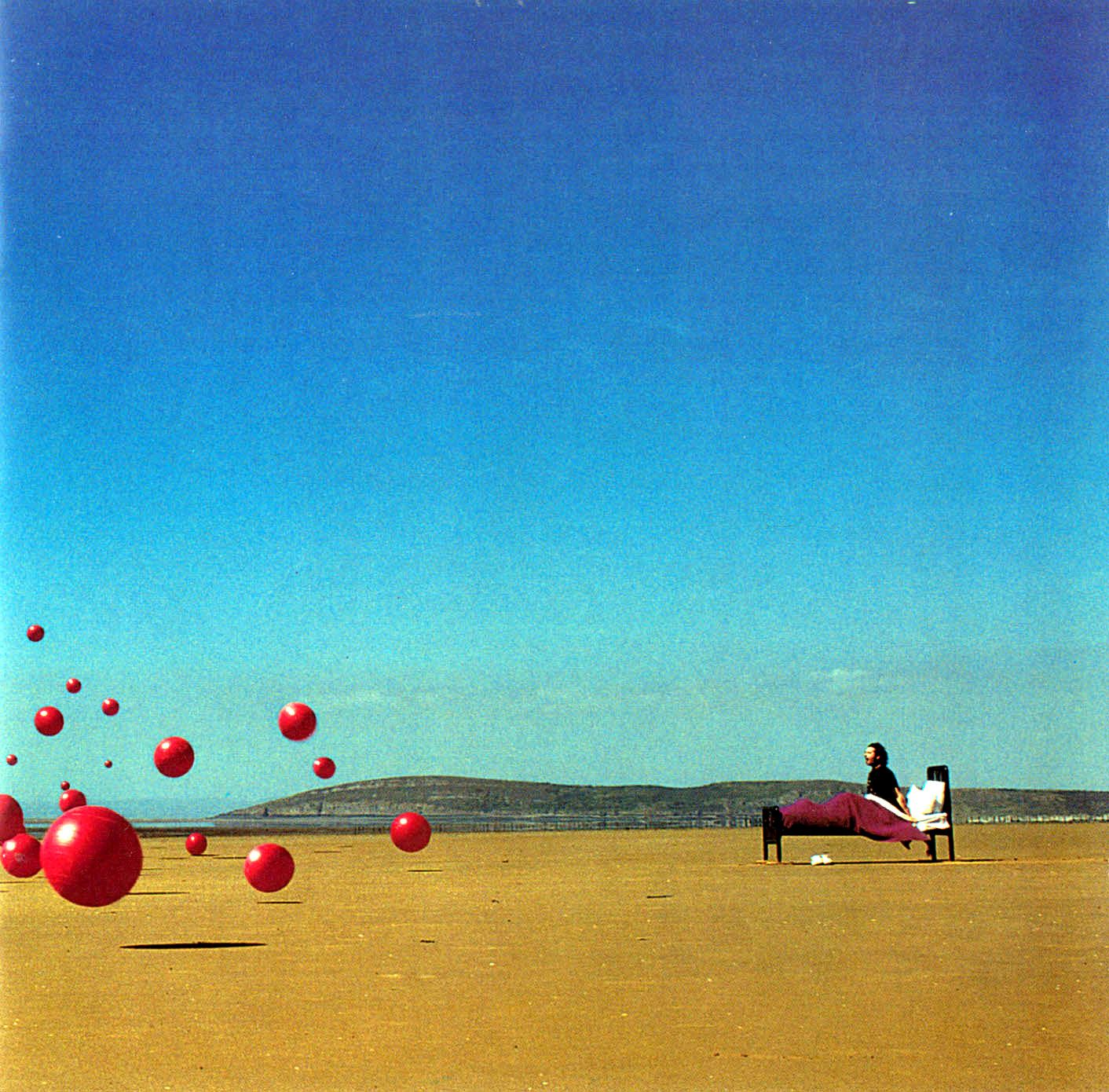
Storm Thorgerson, who made the cover with Peter Curzon, first pictured little granules of coffee floating through the air, up the stairs and into a bedroom. The bed survived. On the finished sleeve a figure sits up in it on a wide, empty beach, and red balls bounce across the sand toward it.
Keir McFarland shot the “Analyse” video in August near Canary Wharf. O’Riordan performs on top of a building while a plane flies over two skyscrapers, and police tape marks the outline of a dead body. Copies went out to networks at the start of September, and before the month was out MCA and the band had withdrawn it worldwide. In the new cut a child’s chalk drawing of a flower takes the place of the outline.
MTV Germany and Viva refused the original, and the German single moved to October 8. In Spain “Analyse” debuted at No. 3 on the singles sales chart.
After the coffee
Britain gave the album one week on its chart, at No. 61.
After 2001 the band split up. O’Riordan made a solo album, Are You Listening?, at her homes in Canada and Ireland, and it came out in May 2007. The four came back for Roses in 2012. On January 12, 2018, she and Noel Hogan talked about starting their first studio album in six years, and three days later she was found dead in a London hotel, aged 46. In the End came out the next year. Street has since gone back to the tapes, and his new mixes are due on January 29, 2027, with “Capetown,” “In the Ghetto” and a live set from Vicar Street.
The songs
Never Grow Old
Udell heard a sweet, sprightly opener. PopMatters found the 2:35 song wonderfully vulnerable and pretty in spite of its lyrics, which are O’Riordan’s, like the music.
Analyse
O’Riordan was stuck for lyrics when she wrote it. She kept telling herself not to analyze, to let it come, and that note to herself became the song. MCA put it out ahead of the album in September 2001.
Time Is Ticking Out
O’Riordan said she would never have written this one before her children came along, a song about how we screwed up the planet with pollution. Mike Hogan heard the album’s title in that too. MCA made it the second single in February 2002.
Dying Inside
“Dying Inside” runs 3:10. Noel Hogan co-wrote the music, as he did on “Time Is Ticking Out,” the title song, “I Really Hope” and “Chocolate Brown,” and the words, here as everywhere on the record, are O’Riordan’s.
This Is the Day
Udell had waited five songs for the band to cut loose, and here they did. To PopMatters it sounded uncannily like “Zombie,” and the same review heard “Dreams” behind “Analyse.” MCA released it as the third single in 2002.
The Concept
O’Riordan has the only credit on “The Concept,” and its subject is love, and how no matter what life throws at you, love is all you have to hold onto. She said all four of them were fortunately in love at that stage in their lives.
Wake Up and Smell the Coffee
At 5:15 the title song is a Noel Hogan co-write. O’Riordan said it was about herself and becoming aware, and about her daughter, “seeing myself in her and hoping she doesn’t go through any of the sadness I went through.”
Pretty Eyes
Words and music on “Pretty Eyes” are O’Riordan’s alone, and it follows straight on from the song about her daughter. PopMatters thought it a personal track that should perhaps have stayed private, though almost everything O’Riordan had to say about this album was personal.
I Really Hope
Both reviews took to “I Really Hope.” Udell called it spirited, and PopMatters heard an immediacy missing from much of the rest of the album. Noel Hogan co-wrote it, his last credit before the closer.
Every Morning
“Every Morning” runs 2:24, words and music by O’Riordan. PopMatters thought it could certainly be a hit, and MCA never released it as a single.
Do You Know
Phil Udell of Hot Press called “Do You Know” the album’s one snarl at the outside world, and heard it as a “Linger”-style acoustic strummer. Two of O’Riordan’s solo songs sit on either side of it, the 2:24 “Every Morning” and the song for her sick friends.
Carry On
“Carry On” runs under two and a half minutes. O’Riordan had watched relatives and friends die of cancer, and the song is for friends who were ill. “I’m really saying to them with all my heart: Carry On.”
Chocolate Brown
PopMatters found “Chocolate Brown” even duller than “Carry On.” O’Riordan thought she was singing a guide vocal until Street called a take. One microphone hung in the middle of the room, and nobody touched the 48 tracks. “Everything was picked up on that mic. You can hear it.” They played it there in the room, and the drums kept moving back from the mic.